Eco-Friendly Food Boxes: Materials, Certifications & Tips
Consumer demand for sustainable packaging has skyrocketed, with global sustainable packaging market growth projected at 7-8% annually through 2030. Eco-friendly food boxes represent a critical shift in how businesses and consumers think about product packaging. Whether you’re sourcing sustainable snack packaging for your brand or seeking organic gift boxes for corporate recognition, understanding materials, certifications, and best practices is essential. This comprehensive guide explores what makes eco-friendly food boxes truly sustainable and how to make informed purchasing decisions that align with environmental values.
What Makes Eco-Friendly Food Boxes Truly Sustainable?
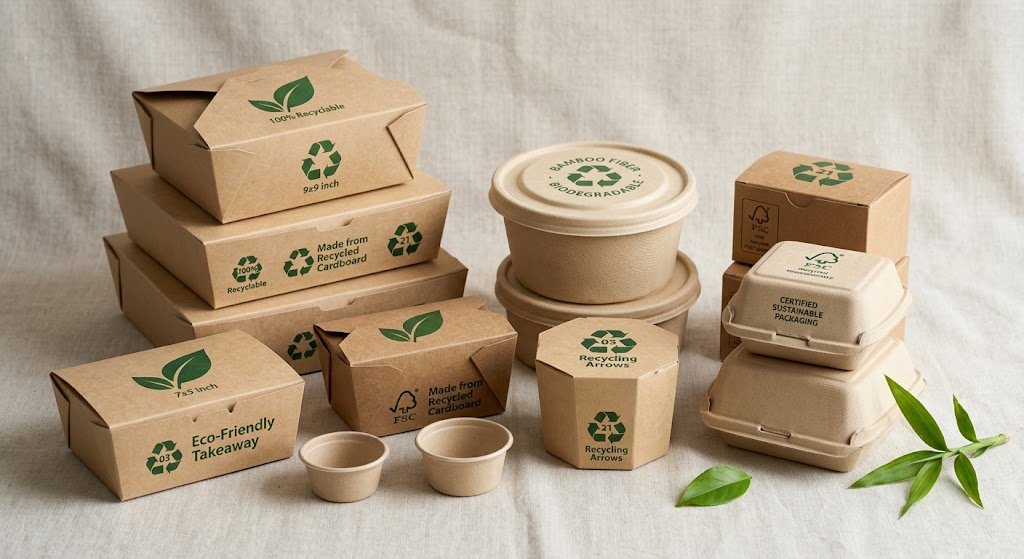
Eco-friendly food boxes go beyond simply using recycled paper. True sustainability encompasses the entire product lifecycle—from raw material sourcing through manufacturing, transportation, and end-of-life disposal. A genuinely sustainable food box balances environmental impact reduction with functionality and brand appeal.
The foundation of sustainable food packaging rests on three pillars: material composition, production methods, and recyclability or compostability. Biodegradable food containers break down naturally without leaving harmful residues, while recyclable boxes reduce waste by entering circular economy systems. Companies committed to genuine sustainability prioritize reducing virgin resource consumption and minimizing carbon footprint during manufacturing and distribution.
Beyond environmental metrics, eco-friendly food boxes must maintain structural integrity, protect contents adequately, and preserve product freshness. This balance between sustainability and practical performance is where premium materials and thoughtful design become critical differentiators in the market.
Materials Used in Sustainable Food Packaging
Recycled Kraft Paper & Cardboard
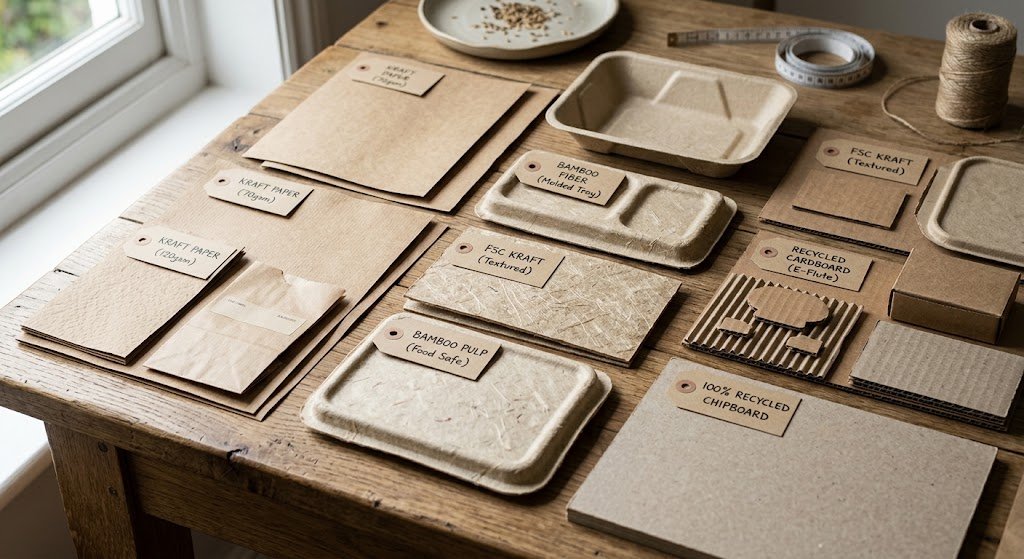
Recycled kraft paper represents one of the most established sustainable materials for food boxes. These materials retain significant strength even after multiple recycling cycles, making them ideal for shipping and storage applications. Kraft paper’s natural brown appearance also appeals to consumers seeking authentic, minimalist branding.
Post-consumer waste (PCW) content varies among suppliers, typically ranging from 30% to 100%. Higher PCW percentages indicate greater environmental benefit, though manufacturing standards and certifications provide the most reliable sustainability verification. Recycled cardboard offers excellent printability for custom designs while maintaining eco-conscious credentials.
Bamboo Fiber Packaging
Bamboo represents one of nature’s fastest-growing renewable resources, regenerating without replanting within 3-5 years. Bamboo fiber food boxes offer impressive durability and moisture resistance compared to traditional paper alternatives. This material works particularly well for snack boxes for remote workers that require protection during shipping and storage.
Food-grade bamboo fiber can provide good structural integrity, and some bamboo-fiber packaging products are designed to be compostable depending on their formulation, coatings, and certifications. The manufacturing process typically involves less chemical treatment than virgin wood fiber, resulting in reduced environmental impact during production.
Mushroom-Based & Mycelium Packaging
Emerging biotechnology has introduced mushroom mycelium as an innovative sustainable alternative. Mycelium-based materials can be produced relatively quickly and are designed to biodegrade under appropriate composting conditions. Mycelium-based boxes can also provide cushioning properties that help protect delicate food items during handling and shipping.
While currently more expensive than traditional materials, mycelium packaging represents a promising emerging option for sustainable food box solutions. Early adopters in the premium organic gift box segment have found strong consumer resonance with this cutting-edge sustainability approach.
Seaweed & Algae-Based Materials
Seaweed represents an abundant, rapidly renewable marine resource with minimal agricultural footprint. Algae-based packaging materials are still emerging but show tremendous promise for future biodegradable food containers. These materials can absorb CO2 during growth and may offer environmental benefits compared with some conventional packaging materials, depending on how they are produced and processed.
Essential Certifications for Eco-Friendly Food Boxes
Navigating sustainability claims requires understanding third-party certifications that verify environmental standards. Certifications protect consumers from greenwashing while ensuring manufacturers meet rigorous environmental benchmarks.
FSC Certification
The Forest Stewardship Council (FSC) certification ensures responsibly managed forestry practices. FSC-certified materials come from forests meeting strict environmental, social, and economic standards. For paper-based eco-friendly food boxes, FSC certification represents the gold standard in responsible sourcing.
Three FSC label options exist: FSC 100% (pure certified material), FSC Mix (mixture of certified and reclaimed), and FSC Recycled (100% recycled content). Understanding these designations helps purchasers align packaging choices with specific sustainability priorities.
Compostable Certifications
International standards like DIN EN 13432 and BPI certification guarantee industrial composting compliance. These certifications verify that biodegradable food containers will break down completely within specified timeframes without leaving toxic residues.
However, most home compost environments cannot reach temperatures required for industrial composting standards. Understanding the distinction between home-compostable and industrially-compostable boxes ensures realistic end-of-life outcomes for your packaging choice.
USDA BioPreferred & Other Standards
USDA BioPreferred certification verifies that packaging contains minimum biobased content percentages. This standard supports renewable resource development and tracks carbon sequestration benefits. Additional certifications like Cradle to Cradle, Green Seal, and Carbon Trust Footprint Label provide complementary environmental verification.
When selecting eco-friendly food boxes for corporate applications, look for multiple certifications indicating comprehensive sustainability across material sourcing, production, and end-of-life management. Learn more about premium sustainable options by exploring our guide to corporate gift food boxes for employee recognition and client appreciation.
Practical Tips for Choosing & Using Eco-Friendly Food Boxes
Right-Sizing Your Packaging
Over-packaging represents a major source of waste in food distribution. Calculate exact dimensional requirements to minimize excess material while ensuring adequate product protection. Properly sized sustainable snack packaging reduces shipping weight, lowers carbon emissions, and demonstrates genuine environmental commitment beyond material choice alone.
Work with packaging suppliers to optimize box dimensions for your specific products. This customization can reduce unnecessary material use compared with generic box sizes, improving overall packaging efficiency.
Ink & Printing Considerations
Eco-friendly food boxes lose sustainability credibility if printed with harmful inks. Specify soy-based or water-based inks that minimize toxicity and environmental impact during both printing and recycling processes. These alternatives perform excellently on kraft and recycled cardboard surfaces.
Limit color density and ink coverage where possible to reduce chemical usage while maintaining visual appeal. Simple, elegant designs on natural kraft backgrounds represent current consumer aesthetic preferences while supporting sustainability objectives.
Supply Chain Transparency
Request detailed information about your packaging supplier’s manufacturing location, energy sources, and waste management practices. Sourcing boxes from facilities powered by renewable energy or featuring zero-waste operations significantly amplifies environmental benefits compared to industry averages.
Transportation distance impacts total carbon footprint substantially. Regional suppliers often outperform geographically distant options despite potentially higher per-unit costs when lifecycle environmental impact receives full consideration.
Consumer Education Integration
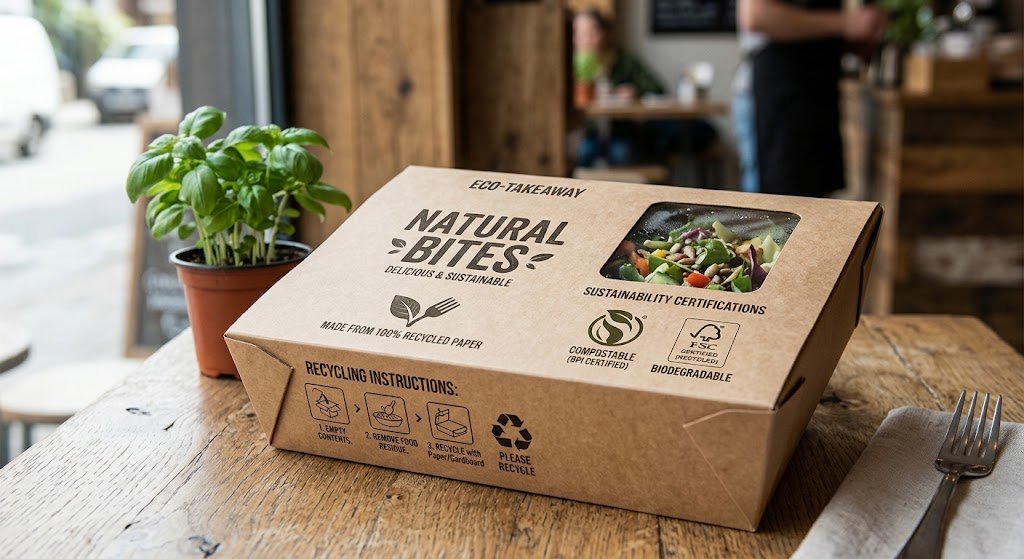
Include disposal instructions directly on your eco-friendly food boxes. Clear guidance about recyclability, composting procedures, and environmental benefits increases actual recycling rates beyond industry averages. This transparency builds consumer trust and demonstrates genuine environmental commitment.
Consider adding QR codes linking to comprehensive recycling information or your sustainability story. This integrated approach transforms packaging into active environmental education tools while reinforcing brand values.
Aligning Eco-Friendly Boxes with Your Brand Values
Sustainable packaging choices communicate powerful messages to environmentally conscious consumers. Research indicates 73% of millennials and Gen Z consumers will change consumption habits to reduce environmental impact, with packaging sustainability significantly influencing purchasing decisions.
Selecting genuine eco-friendly food boxes demonstrates authentic environmental commitment rather than performative greenwashing. Transparency about material choices, certifications, and manufacturing practices builds consumer loyalty among values-aligned audiences seeking brands with genuine sustainability dedication.
Premium organic gift boxes and sustainable snack packaging investment often justifies itself through improved brand perception, customer retention, and ability to command modest price premiums. Environmentally conscious consumers actively seek brands supporting their values and reward genuine sustainability efforts.
For businesses seeking comprehensive sustainable packaging strategies, explore our complete guide to sustainable and eco-friendly food boxes covering selection criteria and best practices.
Common Mistakes to Avoid
Many businesses inadvertently compromise sustainability efforts through common pitfalls. Avoiding these mistakes ensures your eco-friendly food box investment delivers genuine environmental benefits:
- Selecting materials without verifying third-party certifications—claims alone provide insufficient guarantee
- Choosing compostable materials without confirming actual home or industrial composting infrastructure in target markets
- Over-packaging due to design preferences rather than functional requirements—unnecessary material negates sustainability benefits
- Failing to communicate properly about end-of-life disposal options, reducing actual recycling rates
- Prioritizing cost savings that sacrifice material quality or durability, leading to product damage and waste
- Ignoring supply chain transparency, inadvertently supporting unsustainable manufacturing practices
Thoughtful consideration of these factors transforms eco-friendly food box selection from a checkbox exercise into meaningful environmental impact creation.
The Future of Sustainable Food Packaging
Emerging technologies continue advancing eco-friendly food box capabilities. Innovations in edible packaging, advanced compostable materials, and regenerative production methods promise even greater sustainability improvements within the coming decade.
Regulatory trends increasingly favor sustainable packaging, with many regions implementing extended producer responsibility (EPR) policies. These frameworks make packaging sustainability a business requirement rather than optional marketing advantage, incentivizing industry-wide adoption of genuine eco-friendly solutions.
Smart packaging innovations combining sustainability with product tracking, freshness indicators, and supply chain transparency represent the convergence of environmental responsibility and technological advancement. Forward-thinking businesses adopting these solutions today gain competitive advantage as standards evolve.
Conclusion
Eco-friendly food boxes represent far more than a packaging choice—they embody environmental values, communicate brand authenticity, and contribute measurably to waste reduction objectives. Understanding materials like recycled kraft paper, bamboo fiber, and mycelium alongside essential certifications ensures your sustainable snack packaging investment delivers genuine environmental benefits while meeting functional and aesthetic requirements.
Making informed decisions about biodegradable food containers, organic gift boxes, and sustainable packaging requires examining complete product lifecycles, verifying third-party certifications, and maintaining transparency with your supply chain. As consumer demand for genuinely sustainable options continues accelerating, choosing authentic eco-friendly food boxes positions your business as an environmental leader.
Ready to transform your packaging strategy with certified eco-friendly solutions? Contact thepackhub.store today to explore sustainable food box options customized for your specific business needs, brand values, and environmental objectives.
Author Bio: PackHub sustainability specialists bring 15+ years combined experience in sustainable packaging design, supply chain optimization, and environmental certification compliance. Our team partners with businesses of all sizes to implement genuine eco-friendly packaging solutions that reduce environmental impact while maintaining premium brand presentation and product protection standards.
Utilizing eco-friendly food boxes not only enhances your brand’s reputation but also supports global sustainability efforts. By integrating certified materials and adhering to environmental standards, your packaging can reflect a commitment to responsible practices. The PackHub team is dedicated to guiding you in selecting the most suitable options that align with both your operational goals and the growing expectations of eco-conscious consumers. Let us help you create a lasting impact through innovative, sustainable packaging solutions.